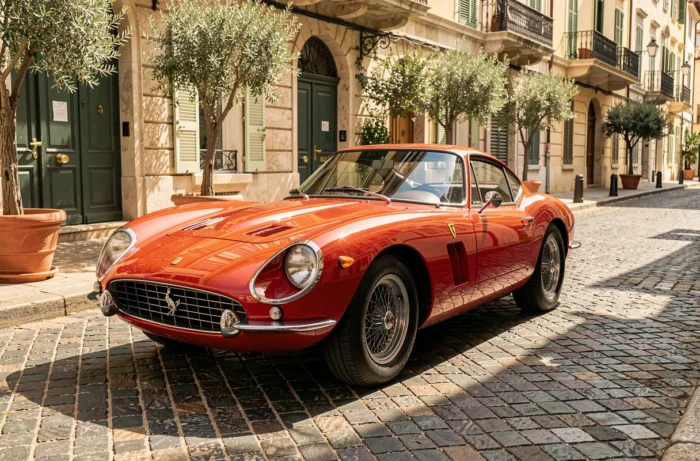
Celebrity cars are not just a catalog of Ferraris and Rolls-Royces lined up in an air-conditioned garage. Behind each acquisition lies wealth management strategies, precise technical choices, and sometimes tax maneuvers that the gossip press completely overlooks. Understanding this market means intersecting classic car mechanics, luxury taxation, and personal communication strategies.
Electric Restomod: When Stars Convert Their Iconic Models
The most significant trend in celebrity garages in recent years is not the purchase of yet another hypercar. It is the electric restomod applied to iconic vehicles. Specialized high-end retrofitting workshops replace the original thermal engines with electric powertrains while preserving the vintage body and interior.
The technical interest is twofold. The owner retains the model’s design and prestige while gaining instant torque and mechanical reliability superior to that of an engine several decades old. Preparers often work on classic Porsche 911s, Mercedes-Benz SLs, or Aston Martin DBs, three platforms whose architecture lends itself well to the integration of modular batteries.
For high-profile personalities, this approach also serves an image objective. Driving an electrified classic car sends a signal of modernity without renouncing automotive heritage. We observe that this approach particularly appeals to owners who already possess several thermal models and seek to diversify their fleet without multiplying brands.
Those who wish to explore the world of vehicles associated with personalities, whether replicas or models that have actually belonged to celebrities, will find a dedicated catalog on carsthestars.be, a Belgian platform specializing in this niche.
Luxury Vehicle Taxation: A Toughening That Changes the Game
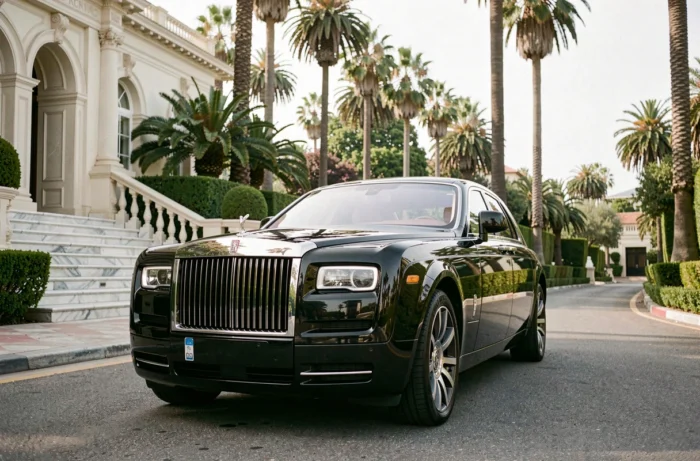
The tightening of tax regulations targeting prestige vehicles held through wealth management holdings profoundly alters acquisition strategies. Several states have strengthened the specific taxation of these assets when housed in passive structures exceeding certain asset thresholds in recent years.
This type of reassessment, once rare in the sports world, is becoming more frequent as tax administrations refine their tools for controlling outward signs of wealth.
Consequences for Acquisition Strategies
Savvy collectors no longer just buy a vehicle. They weigh personal ownership, professional leasing, and placement in a civil company, depending on the jurisdiction. A Bugatti or Bentley model owned in one’s name does not have the same tax impact as a vehicle registered as an asset of a wealth management company.
The geographical location of the garage is as significant as the choice of model. Some owners store their collections in free ports or jurisdictions with lighter taxation, adding a layer of logistical complexity but significantly reducing the annual tax burden.
Car Auctions and Celebrity Provenance: What Recent Sales Reveal
The “celebrity” provenance of a vehicle radically alters its market value. Auction houses have understood this well and systematically incorporate ownership history into their estimates. A model whose value far exceeds that of an identical example without a famous history illustrates how much pedigree weighs in price formation.
The auction market now blends car collecting, philanthropy, and personal branding, with high-visibility transactions serving both the communication of buyers and the valuation of lots.
Criteria That Increase the Value of a Celebrity Car
- Photographic and video documentation proving the actual use of the vehicle by the celebrity, not just a title of ownership
- The state of preservation of the original configuration, without post-sale modifications that would erase the “trace” of the famous owner
- The narrative link between the model and the star’s career (an actor and their filming car are worth more than an athlete and their daily sedan)
- Combined rarity: a model already rare in production becomes almost impossible to find when it also carries a celebrity pedigree
Stars and Asian Premium Brands: A Subtle but Real Shift
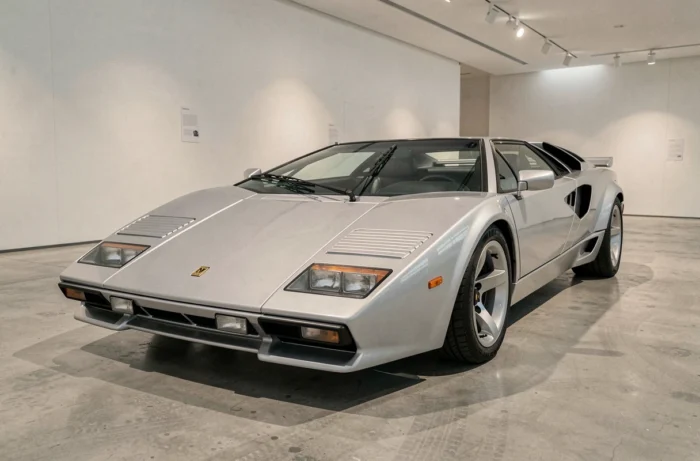
Existing content focuses on Ferraris, Porsches, Mercedes-Benz, and Aston Martins. Media personalities are now choosing electric vehicles from Chinese or Asian brands in the premium segment. This migration, still minority, affects various markets.
In Indonesia and Vietnam, local celebrities have adopted Chinese electric models alongside their Teslas. In Russia, public figures have been photographed driving high-end Chinese electric sedans. The phenomenon is not limited to Asia: in Europe, some collectors are testing these vehicles as a complement to their Western fleet.
The appeal is not just about price. Asian manufacturers offer onboard technologies (screens, semi-autonomous driving, connectivity) often more advanced than those of traditional European brands at equivalent ranges. For a star accustomed to cutting-edge technology, the choice becomes as rational as it is media-friendly.
The market for celebrity cars is therefore evolving well beyond mere displays of power and prestige. Between electric restomods, increasing tax constraints, celebrity provenance auctions, and openness to non-Western brands, the garages of personalities reflect increasingly sophisticated technical and financial decisions.