Leisure time is defined as the remaining time slot once work, commutes, and domestic obligations are subtracted from the day. According to the 2025 National Sports Practices Barometer from INJEP, 61% of people aged 15 and older engage in a sports activity at least once a week in France, which is an increase of 7 points compared to 2018. This growth reflects a shift towards active, flexible, and often low-cost leisure activities.
Walking, running, and cycling: why autonomous activities dominate leisure in France
The walking and running universe encompasses 32% of the French population aged 15 and older, far ahead of other disciplines. Fitness and gymnastics activities follow at 21%, then cycling at 11%, and water sports at 10%. This ranking is not a matter of chance.
These activities share three characteristics: no need for reservations or expensive equipment, total adaptability to fragmented schedules, and the possibility of practicing alone or with others. A thirty-minute jog between noon and two or a bike ride on Sunday morning requires neither a subscription nor a partner.
For those looking to diversify their activities beyond sports, the leisure page of Je veux de l’info lists various options ranging from manual creativity to cultural outings.
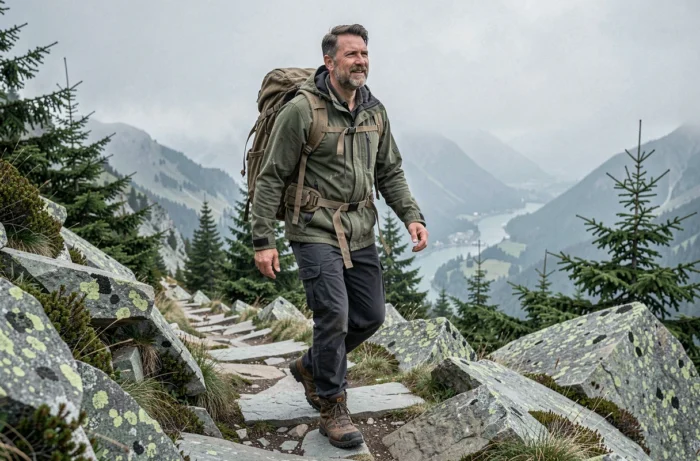
Trail running, a discipline halfway between running and hiking, has seen significant growth in recent years. Marked trails in nature attract an audience seeking both physical effort and the discovery of landscapes. Trail running combines sport, nature, and a change of scenery within the same time slot, which explains its growing popularity among urban professionals.
Cultural heritage and vacations: discovery leisure accessible year-round
The Ministry of Culture has launched the “Cultural Vacations” initiative to encourage the exploration of local heritage. The idea is based on a simple observation: most French people live less than an hour away from historical sites, museums, or monuments they have never visited.
Exploring heritage close to home often costs less than a day at an amusement park. Many municipal museums offer free admission on the first Sunday of the month. Heritage Days, held every third weekend in September, open places usually closed to the public: prefectures, artisan workshops, repurposed industrial buildings.
Libraries, often underestimated as leisure spaces, are experiencing a notable increase in attendance. They now offer much more than just book lending:
- Digital workshops (coding initiation, podcast creation, 3D modeling) that attract an adult audience seeking new skills
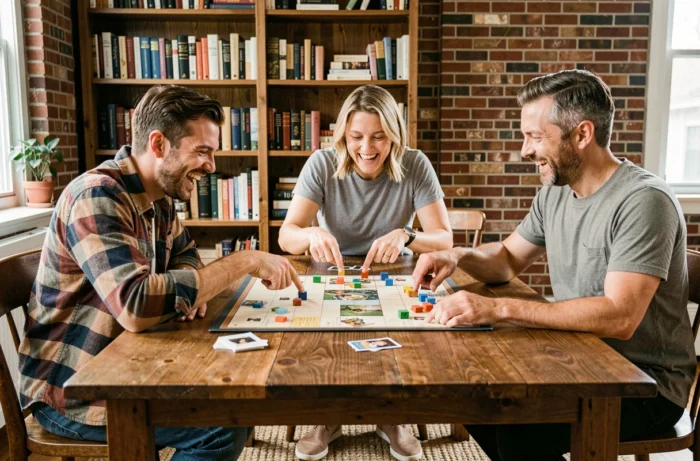
- Board game and video game spaces available for free access, sometimes with themed family nights
- Extended hours in the evenings and on weekends, tailored for those who work during the day
This renewal transforms the library into a true third place for free leisure, particularly suited for families with children.
Escape games, nature trails, and immersive family leisure
Immersive activities are taking an increasingly prominent place in weekend leisure. The escape game, which appeared in France in the mid-2010s, has diversified: classic rooms in city centers, outdoor versions in parks or castles, portable formats to take home.
What makes the escape game attractive for a family or friend group is the calibrated duration (usually one hour) and the absence of required physical skill. The escape game relies on collective logic rather than individual performance. The price per person varies by brand but remains comparable to a movie ticket for a more participatory experience.
Adventure courses in nature (tree climbing, zip lines, forest navigation) represent the other side of immersive leisure. They meet a growing demand for contact with the outdoors, especially after long weeks of sedentary work. Parks of this type often offer several levels of difficulty, allowing children as young as six to participate on adapted courses while adults tackle more technical routes.
Volunteering and civic engagement: a leisure activity that gives meaning to free time
Volunteering almost never appears on lists of leisure activities, even though it shares all the characteristics: voluntary choice, practice during free time, personal satisfaction. The platform JeVeuxAider.gouv.fr lists volunteer missions accessible in short time slots, sometimes just half a day per month.
Civic engagement also opens up concrete rights through the citizen engagement account, which contributes to the personal training account. In other words, time spent volunteering can be converted into hours of professional training.
The forms of engagement most compatible with a busy schedule include:
- School or professional mentoring, often organized via videoconference in one-hour sessions
- Event volunteering during festivals, local sports competitions, or occasional food drives
- Digital support for the elderly, offered by many local associations
This form of leisure presents a rarely mentioned advantage: it creates social connections outside the usual circle (work, family, close friends), which directly contributes to the well-being felt.
Leisure time is not just a list of activities or a vacation budget. The underlying trend in France points towards flexible, low-cost, and meaningful leisure activities, whether it involves putting on trail shoes, stepping into a library on a Saturday night, or dedicating a few hours a month to a volunteer mission. The most relevant choice remains the one that adapts to the rhythm of each week, not the other way around.