Your wardrobe probably contains pieces that you haven’t worn in two seasons. Before looking for the latest fashion trends, the most effective reflex is to understand why some clothes work for you and others do not. The answer rarely lies in the brand or the price, but rather in three concrete parameters: the cut, the color palette, and the coherence between the pieces.
Colors and Body Shape: The Duo that Structures Personal Style
Have you ever noticed that the same sweater worn by two people gives a completely different result? It’s not a matter of taste. It’s a question of contrast between the color of the garment and your skin tone.
A warm tone (butter yellow, terracotta, khaki) enhances golden or tanned skin. A cool tone (lavender blue, powder pink, pearl gray) is better suited for light or rosy complexions. The test is simple: place the fabric under your face, near natural light. If your complexion looks brighter, the color suits you.
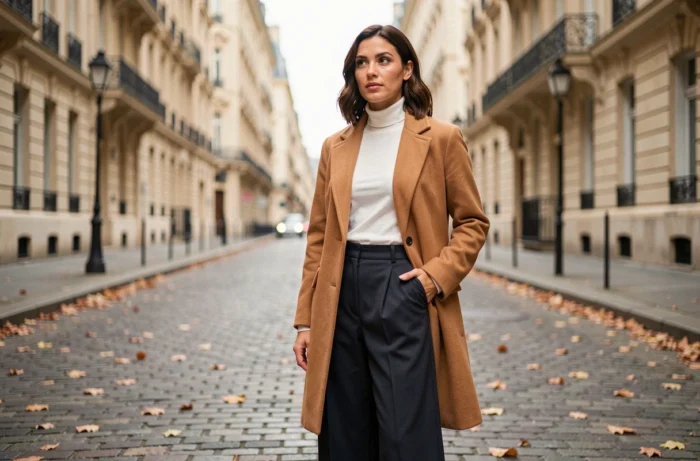
Body shape comes into play next. A wide pant elongates the silhouette when worn with a fitted top. The opposite (loose top, slim bottom) creates a different balance. The principle remains the same: a volume on top calls for a reduced volume on the bottom, and vice versa. Generic fashion advice like “wear what you like” overlooks this very concrete visual mechanism.
To delve deeper into these principles applied to seasonal pieces, the fashion section on Actualité Premium regularly details color-cut combinations suitable for each body shape.
Second-Hand Online or in Solidarity Shops: A Choice that Affects Carbon Footprint
Buying second-hand has become a reflex for refreshing your style without multiplying new purchases. The second-hand market is growing every year in France. But not all channels are equal, and the difference is massive.
A report from Oxfam France published in September 2026 presents precise figures:
- Buying a second-hand garment online can emit up to 5 times more CO₂ than the same purchase in a solidarity shop, due to individual packaging, transport, and returns.
- In France, 6 out of 10 second-hand garments now pass through lucrative channels (platforms and commercial thrift stores), which reduces the positive effect of reuse.
- For 1 kg of clothing purchased in a solidarity shop, emissions are up to 270 times lower than those associated with buying new clothes.
In practice, this means that how you buy second-hand matters as much as buying second-hand itself. Prioritizing a local recycling center or an Emmaüs shop over an online platform radically changes the environmental impact of your wardrobe.
Spring-Summer Fashion Trends: What the Weather Really Changes
Seasonal trends do not fall from the sky. They also respond to climatic realities that magazines rarely mention. The Syndex study on major clothing trends in 2025 highlights a concrete factor: the unusual mildness of winter 2025 slowed down purchases of coats, knits, and boots.
Consumers simply did not need their usual warm pieces. The result: winter clothing stocks accumulated, and brands had to adapt their subsequent collections by offering more intermediate pieces (light jackets, fine layers, airy knits).
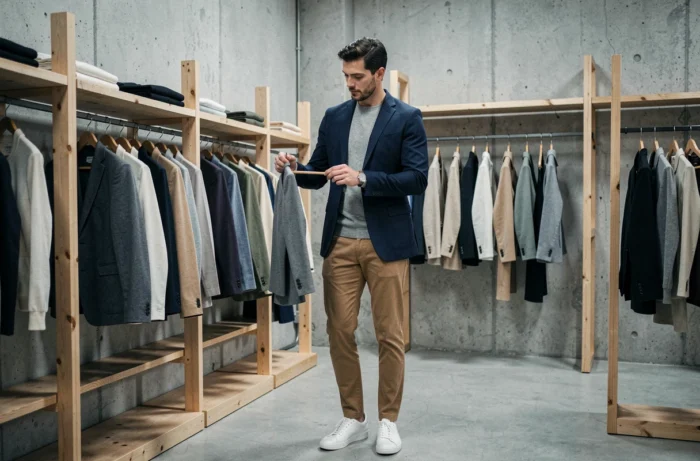
Why is this useful for your style? Because betting on versatile mid-season pieces rather than highly categorized “summer” or “winter” clothing becomes a more reliable strategy. A structured linen jacket, an unlined blazer, or lightweight cotton pants cover a much wider temperature range than a thick coat worn three weeks a year.
Intermediate Pieces to Watch This Season
The oversized blazer remains present in collections, but its use has evolved. It is no longer worn solely over jeans. Paired with a flowy dress or a jumpsuit, it creates a structured silhouette without bulk.
Pop colors and pastel tones coexist this season, allowing room to adapt trends to your personal palette. A floral print on a light background works for cool complexions. The same pattern on an ochre or saffron background suits warm tones.
Sustainable Style: Fewer Pieces, More Coherence
A study reported by NSS Magazine reveals that consumers no longer just want new products: they seek style advice rather than additional purchases. This shift changes the game for anyone looking to enhance their daily look.
Building a coherent style relies on a streamlined wardrobe where each piece pairs with several others. Three concrete principles facilitate this approach:
- Choose a palette of 4 to 5 colors that work together (for example: navy, off-white, camel, terracotta, khaki). Any new piece must fit into this palette.
- Limit strong prints to one per outfit. A striped top or a floral skirt should be worn with solid pieces to avoid visual overload.
- Invest in shoes and accessories before tops. A suitable pair of shoes transforms a basic outfit into a polished look, whereas yet another trendy t-shirt ends up forgotten in a drawer.
This logic aligns with the question of second-hand: buy less but better, in solidarity shops when possible, and target pieces that complement what you already own rather than isolated crushes.
Style is not built by following every micro-trend. It is built by understanding what works for you, choosing purchasing channels that align with your values, and treating your wardrobe as a system rather than an accumulation. Trends come and go, but structure remains.